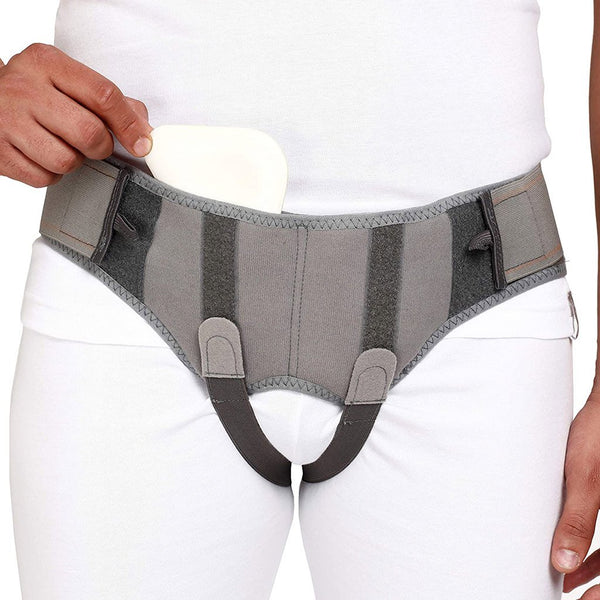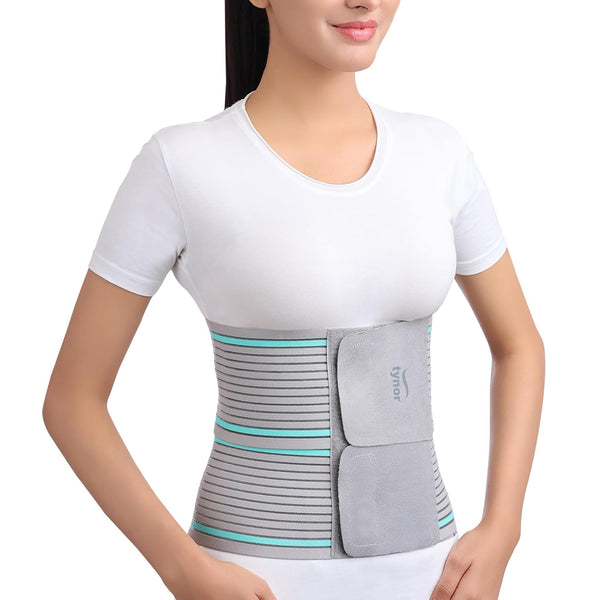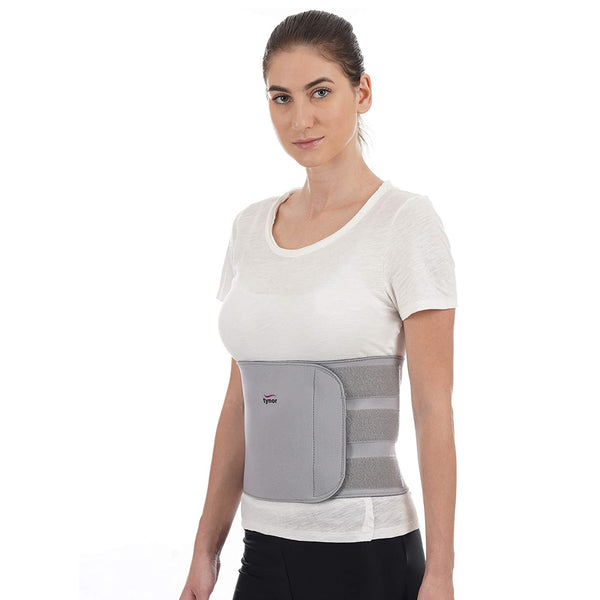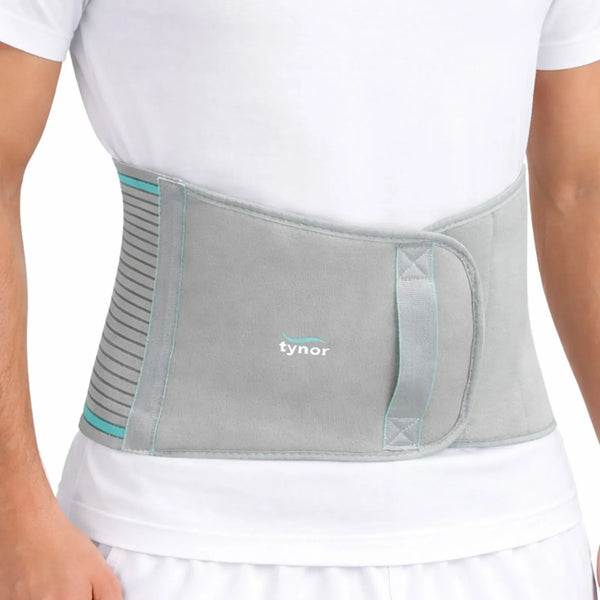



Are you unsure if the pain in your stomach or groin is coming from a hernia? Although symptoms might differ, hernias are frequent in both males and females. Women are far less likely to have inguinal hernias. Hernias can be uncomfortable in various ways and never go completely by themselves. The best approach to treat the hernia is through surgery, however, there are several ways like using hernia belt to lessen pain while you prepare for the procedure.
What is a hernia?
Walls of muscles and tough tissue wrap around your abdomen, allowing you to move and safeguard your inner organs. This inner part has a breach called a hernia, which enables the contents of the belly to protrude outside. Hernias come in a variety of forms, but the stomach or groin region is where they seem to manifest themselves most frequently.
Types of hernia
The most frequent hernias are inguinal (located in the interior groin), incisional (caused by an injury), femoral (located in the external groin), umbilical (located in the abdomen), and hiatal (higher stomach).
The bowel or bladder splays through the abdomen wall or enters the inguinal channel inside the groin through an inguinal hernia. The majority of inguinal hernias, which account for 96% of all pelvic hernias, affect males due to a preexisting deficiency in this region.
The bowel breaks thru the abdominal membrane at the location of prior abdominal operations during a post-operative hernia. The majority of persons of this kind are older, obese, and sedentary following abdominal surgery.
Signs of hernia
The kind of hernia will determine the signs. You might not always experience any symptoms.
The following symptoms might be present with inguinal, femoral, abdominal, as well as incisional hernias:
- A groin or abdominal area with a clear swelling underneath the skin. It could be sensitive, and when you lie down, it might go away.
- A heavy sensation in the belly might be accompanied by constipation or blood in the stool.
- When lifting or leaning over, you may have pain in your abdomen or groin.
- At the protrusion, there is a burning or hurting feeling.
- Groin discomfort or pressure.
- Heartburn.
- It's difficult to swallow.
- Extreme discomfort
- Puking.
- Constipation.
- Swelling and pain around the testicles.